
Pigging is the process of cleaning the inside of a pipeline to maintain optimal fluid flow. This article explains the benefits of pigging, the types of pigs, and when pigging should be performed.
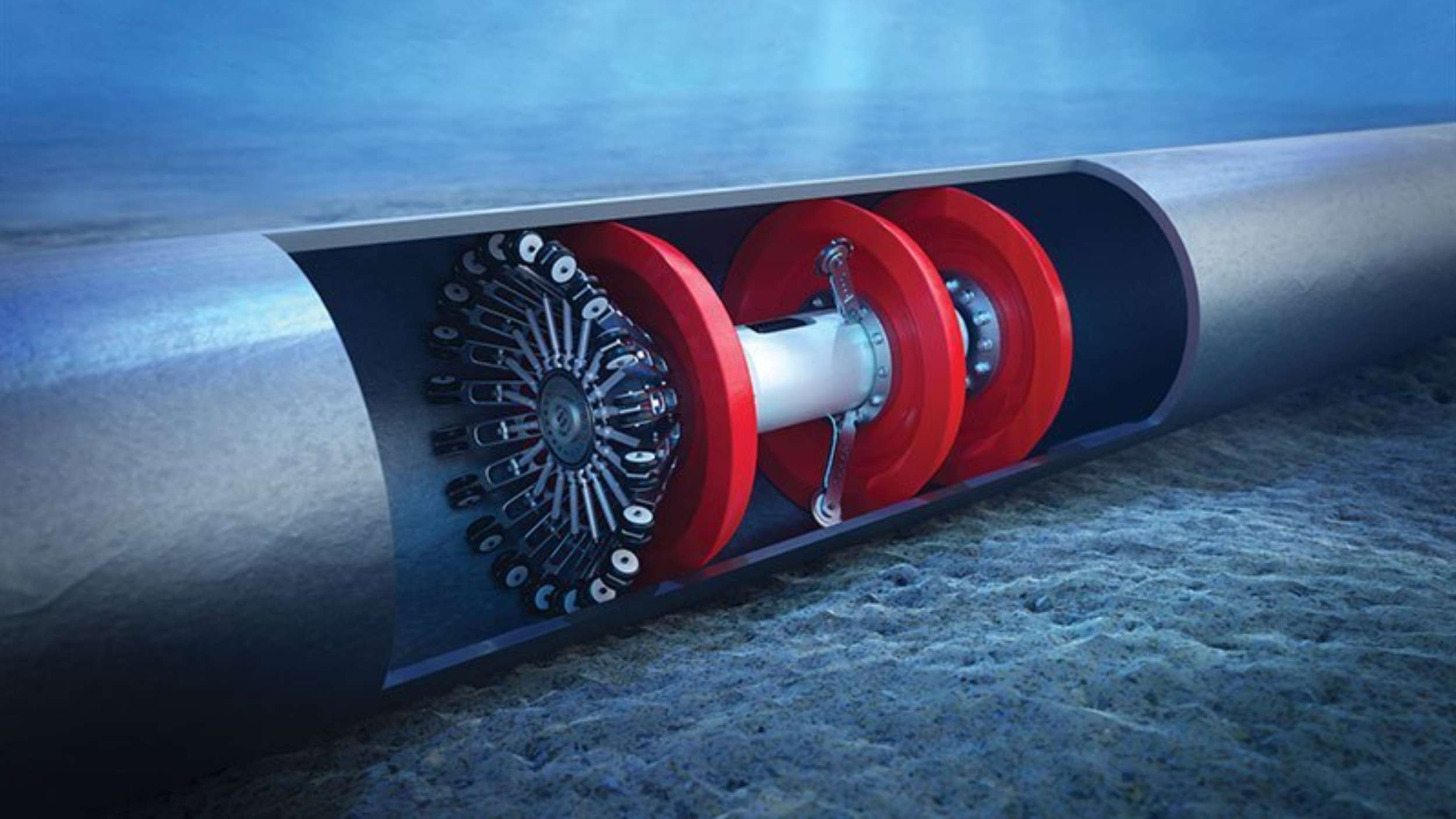
Pigging, or in-line cleaning, is an essential procedure in pipeline operations. This process is carried out using a device called a pig, which is propelled through the pipeline to remove scale, paraffin, sludge, and other debris. Without regular pigging, pipelines may experience performance degradation, blockages, and increased pressure.
Types of Pigs
Foam Pig
Flexible and able to pass through multi-diameter pipelines and sharp bends.
Brush Pig
Equipped with steel or nylon brushes to remove scale and light corrosion.
Mandrel Pig
Designed with replaceable cups and discs for various operational needs.
Gauge Pig
Used to detect deformations or restrictions inside the pipeline.
Turbo Pigs
Such as Turbo-Magnum and Turbo-Flex from Girard, designed for heavy-duty cleaning.
Benefits of Pigging
- Reduces pressure drop
- Improves pumping efficiency
- Minimizes the risk of internal corrosion
- Maintains the quality of flowing fluids
- Supports pipeline commissioning and decommissioning
Regular pigging can extend pipeline lifespan and improve overall operational reliability.
